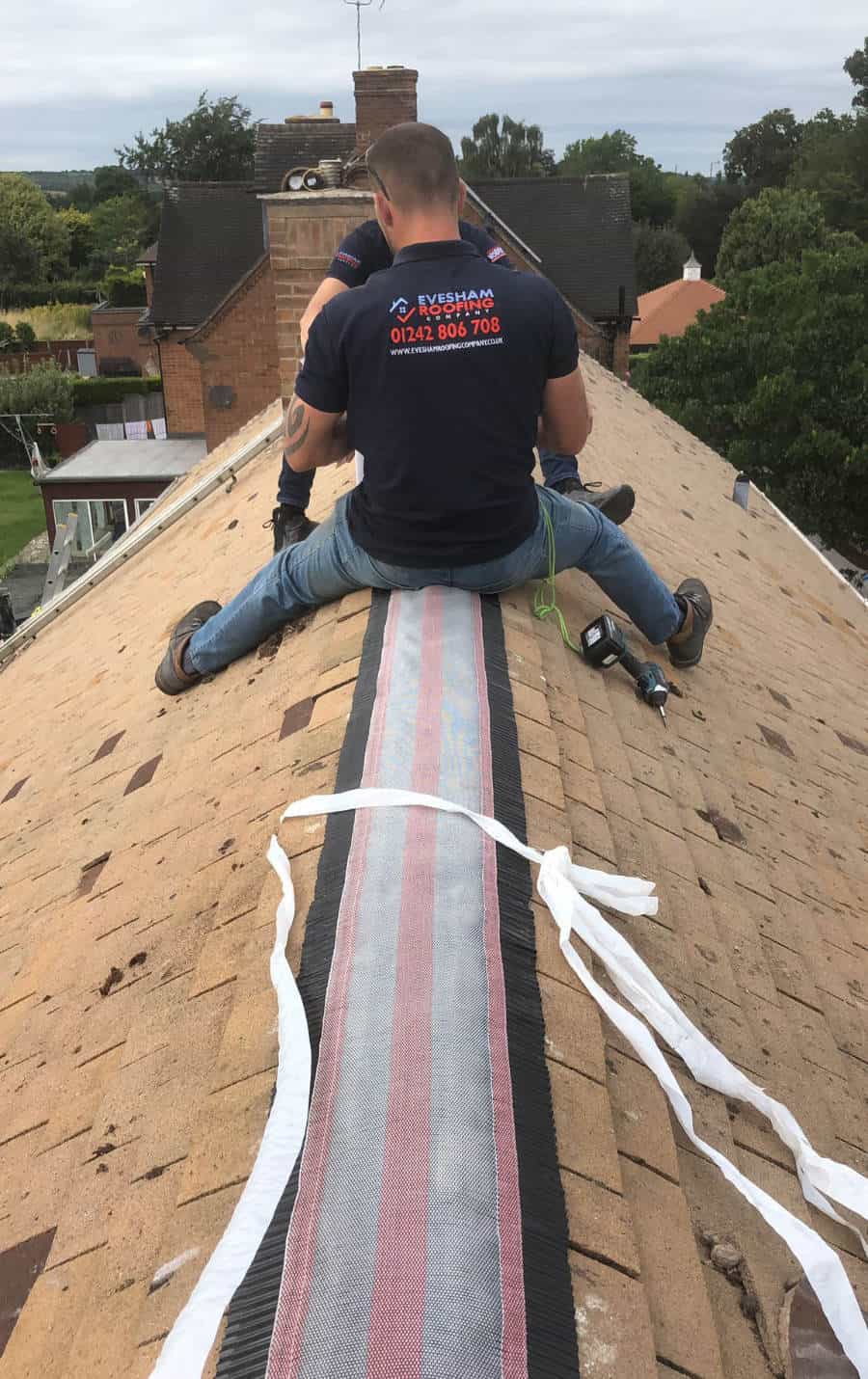
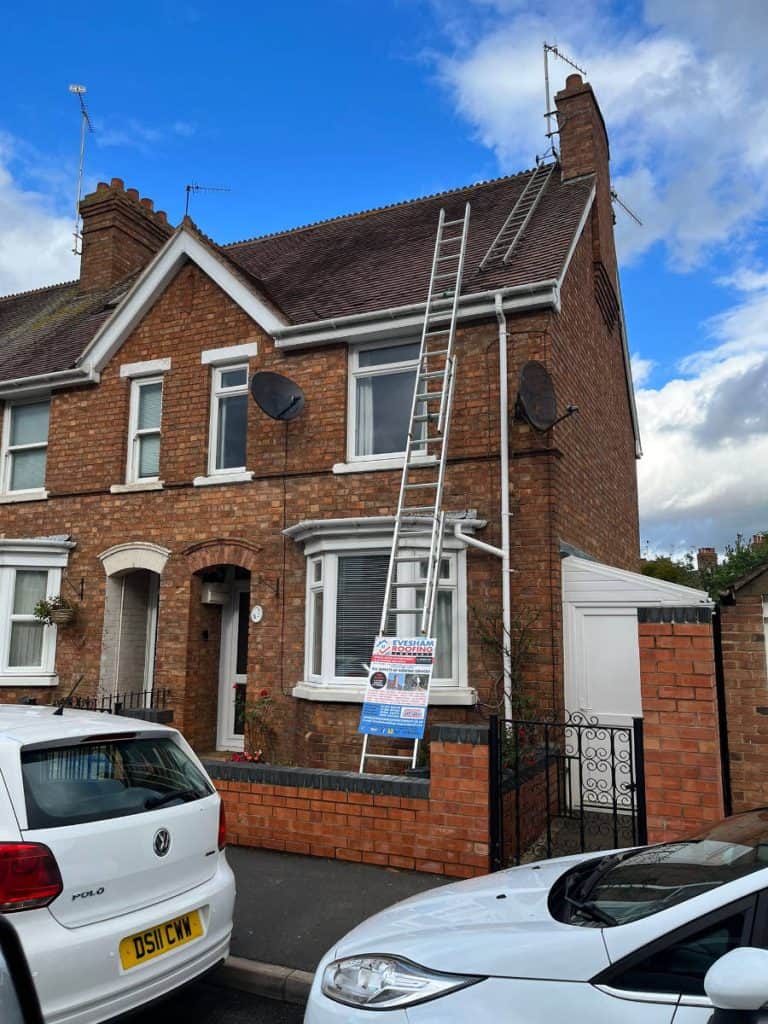
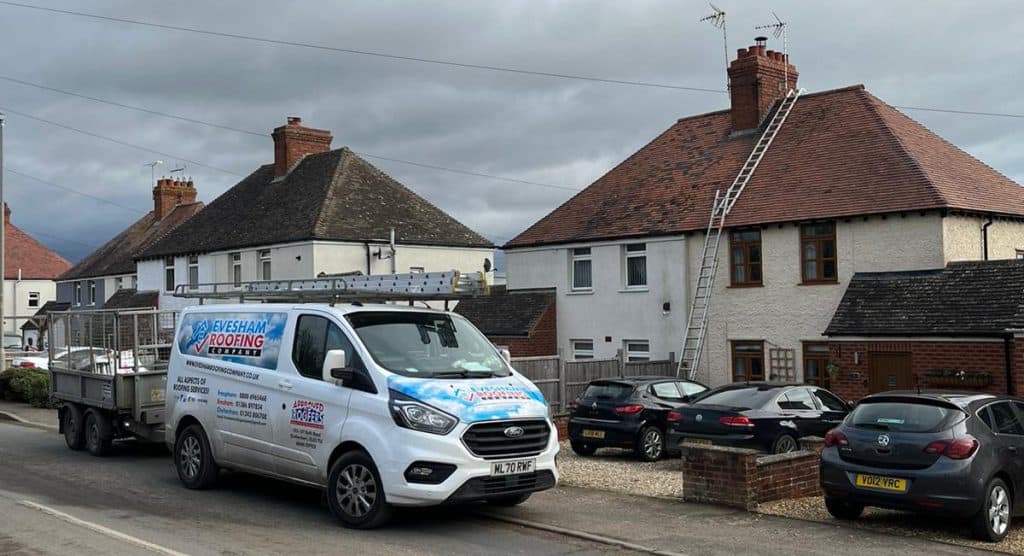
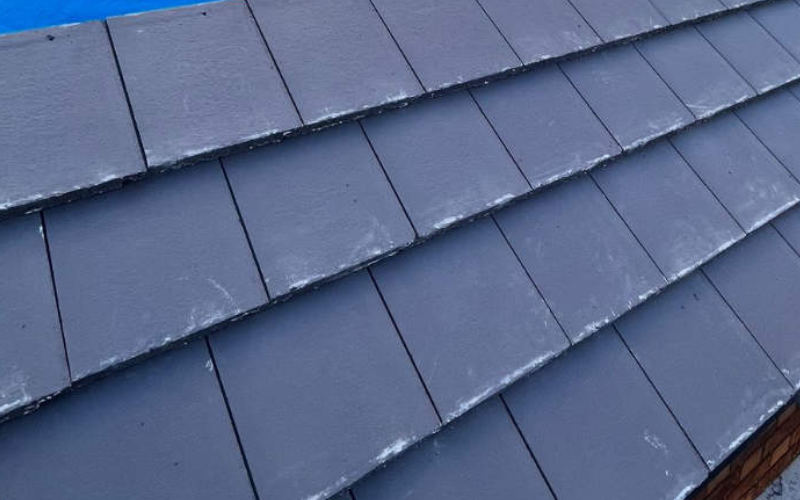
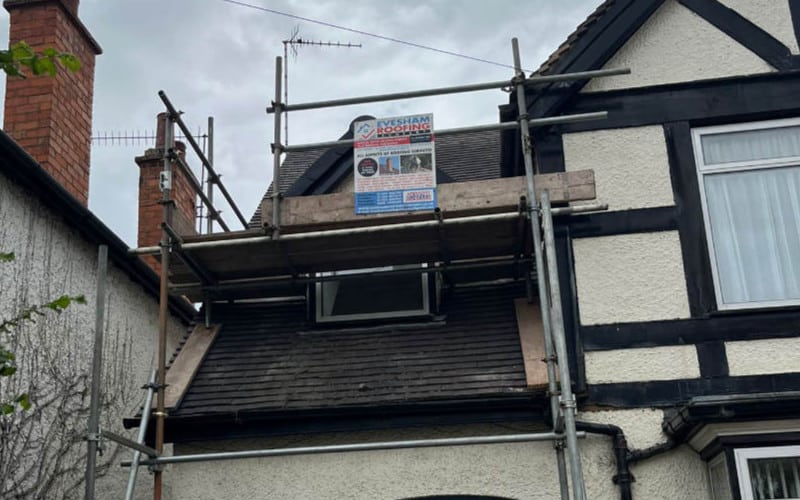
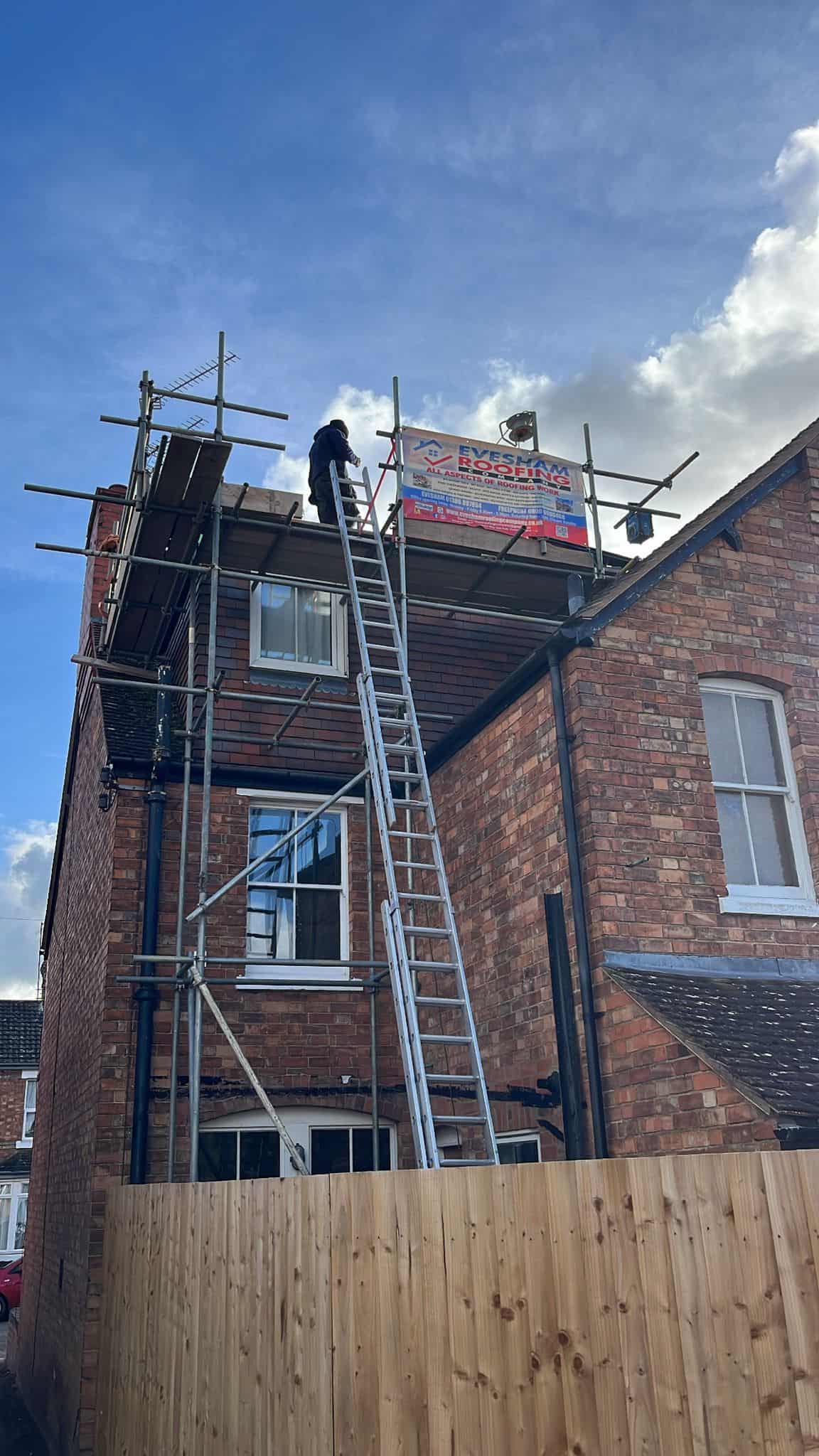
We are fully qualified roofers in Evesham & Cheltenham with over 25 years of experience providing domestic, commercial and industrial roofing services across South West England.
Evesham Roofing Company, where we bring expertise and excellence to the skies above Evesham and Cheltenham. At the heart of our mission is a commitment to providing top-notch roofing solutions that stand the test of time. Whether you’re in need of a reliable team to safeguard your home or enhance your commercial property, Evesham Roofing Company is your trusted partner in elevating your property to new heights.
Our dedicated team of skilled professionals is passionate about delivering quality craftsmanship and unparalleled service. With years of experience under our belts, we take pride in our ability to transform visions into reality, ensuring your roofing needs are met with precision and care.
We’re a local Evesham business
As a locally-owned and operated business, we understand the unique challenges that come with the weather conditions in Evesham and Cheltenham. That’s why we tailor our services to not only meet but exceed the expectations of our valued customers. From repairs and maintenance to installations and inspections, Evesham Roofing Company is your go-to source for all things roofing.
Explore our website to discover the comprehensive range of services we offer and learn more about how we can elevate the protection, aesthetics, and value of your property. Trust Evesham Roofing Company to be your partner in reaching new heights with quality roofing solutions that stand above the rest.
At Evesham Roofing Company, we stand as more than just a roofing service – we are your dedicated partners in protecting homes and enhancing properties throughout Evesham and Cheltenham. Here’s why choosing us is the key to ensuring your roofing needs are met with unparalleled expertise and commitment.
Unmatched Expertise
Our team comprises seasoned professionals with an extensive background in roofing systems, materials, and the intricacies of Evesham and Cheltenham climates. Rest assured, your project will benefit from a depth of knowledge that ensures longevity and resilience.
Local Commitment
Being a local business means more to us than just a location. We’re deeply embedded in the fabric of Evesham and Cheltenham, understanding the unique needs of our communities. By choosing us, you support a company invested in the well-being and aesthetics of your local surroundings.
Quality Craftsmanship
Craftsmanship is the cornerstone of our service. From the smallest repairs to complete installations, our skilled professionals ensure that every task is executed with meticulous attention to detail. Your satisfaction and the enduring quality of your roof are our primary objectives.
Personalised Solutions
Recognising the individuality of each project, we take the time to understand your specific requirements and aspirations. Whether it’s a minor repair or a comprehensive roof replacement, our approach is tailored to meet your unique needs. Experience roofing solutions customised for your property’s longevity and visual appeal.
Transparent Communication
Communication is key, and we prioritise transparency throughout every stage of your roofing project. From the initial consultation to the final inspection, we keep you informed and involved. Our commitment to open and honest communication ensures your peace of mind, knowing your roofing project is in capable hands.
Choose Evesham Roofing Company as your roofing partner, where local expertise, quality craftsmanship, and personalised service converge to redefine roofing excellence in Evesham and Cheltenham.
100%
Our roofing company strives to reach complete customer satisfaction and 5 star reviews for all roofing projects.
To request a quote please complete this form and we will contact you. In the event of an emergency, e.g. sudden damage or roof failure, please call us on 0800 6965468.
We’re a local roofing business based in Evesham and we cover Gloucestershire, Worcestershire and the surrounding areas.
Contact our friendly team today for all your roofing needs. Whether you’re dealing with a slipped tile, a leaky roof or even a complete re-roof, you can rely on Evesham Roofing Company for all your roofing requirements.
Very well mannered workers and the work was done perfect, would definitely recommend Evesham roofing for any roofing needs.
Shelley Smith
18 January 2024
I was very happy with the results of the job done by Evesham roofing. Very professional and everything was done to very high standard's and within the time given with no hidden prices. Great work and top bloke.
Reena Ingram
17 January 2024
I've recently used Evesham Roofing Company would highly recommend them .The work I've had carried out was to the highest standard. Anyone that's what's a job done to perfection this is the company to use .so happy with the work that's been carried out and wouldn't hesitate to use them again
Georgia Conway
15 September 2023
Jason worked for me and did a brillaint job. Would highly recommend. 10/10 for anyone needing any reasonably priced, high quality work done.
Lauradanin Evans
1 September 2023
Professional from the very start, arrived on time to quote then started work the next few days Great Install team who worked non stop even through the bad weather. The job took longer than expected but they didn't rush, instead they took the time to make sure everything that was quoted and asked for by me was completed perfectly. Thanks again, Eddie.
Shania Smith
3 January 2023
Highly recommend brilliant team
Patrick Davies
8 October 2022
Evesham roofing company installed a new roof on my property and did an amazing job throughout my years of using roofing companies Evesham roofing company are by far the best I have used I’m a very happy customer
Billy Lee
8 October 2022
Well wat can I say we had water coming through my living room Jason and his team turned up to give me a quote very prompt and efficient agreed to re roof my house 2 weeks later looks amazing thanks boys would really recommend
Ellie may Joachim
7 October 2022
A brilliant job done from beginning to end. Very grateful for the work being completed so quickly and to such a high standard. I would highly recommend to all
Donna “Shish” Davison
7 October 2022
A brilliant job I’m Very grateful for the work being completed so quickly and to such a high standard. I would highly recommend this service
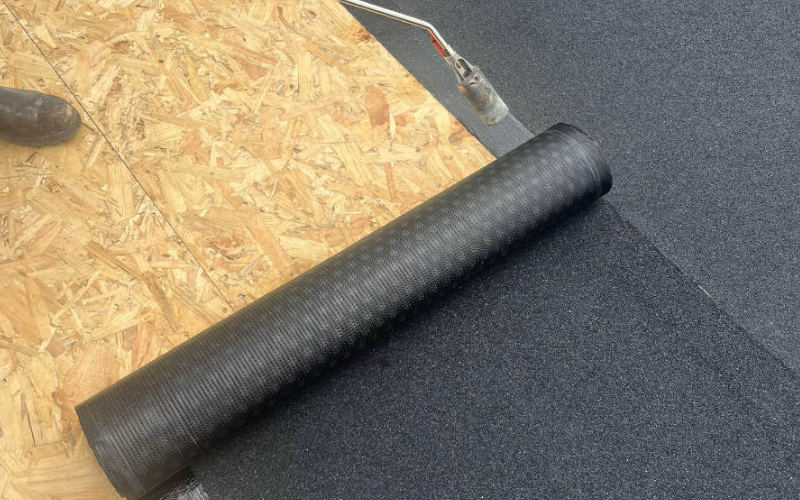
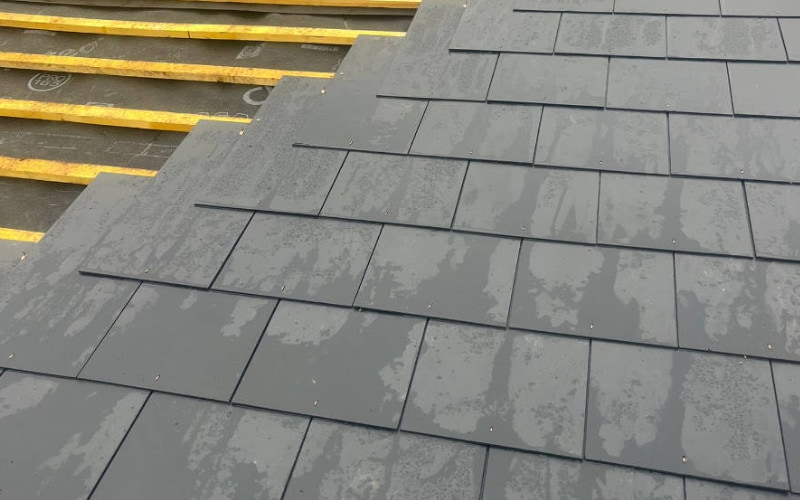
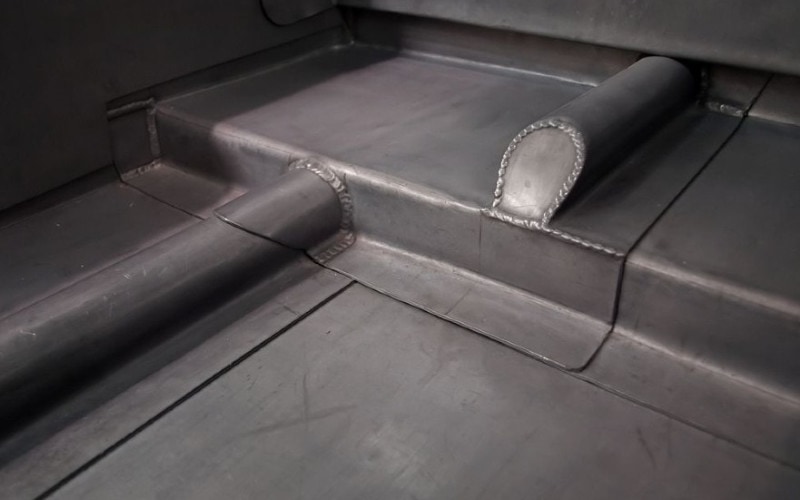
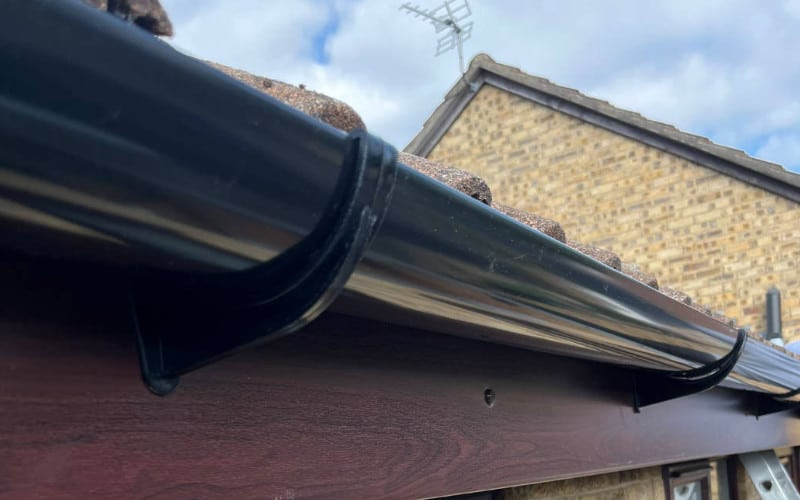
We provide a wide range of roofing services, including new roof installations, repairs, replacements, flat roofing solutions, slate and tile roofing, leadwork, UPVC guttering, fascias, and soffits.
Look out for signs like leaks, damaged tiles, or visible wear and tear. If in doubt, our experts at Evesham Roofing Company can conduct a thorough inspection and offer recommendations. Contact us today.
Absolutely. Evesham Roofing Company provides emergency roof repair services. Contact us immediately on 0800 6965468 for sudden and severe issues, such as storm damage or leaks.
We work with various roofing materials, including slate, tiles, lead, UPVC, and flat roofing materials like EPDM and GRP. Our roofing experts can help you choose the best option for your needs.
The duration depends on the project's scope and complexity. Evesham Roofing Company strives to complete projects efficiently while maintaining high-quality workmanship. We will advise on timescales when we give you a quote for the work.
We differentiate ourselves through our commitment to quality craftsmanship, local expertise, transparent communication, and the use of premium materials sourced from leading manufacturers.
Yes, we provide free estimates for our roofing services. Contact us to schedule a consultation, and we'll assess your needs and provide a detailed estimate.
You can easily schedule a consultation by contacting us here on our website, or by calling us on 0800 6965468. Our team will promptly respond to discuss your roofing needs and set up a convenient time for an assessment.